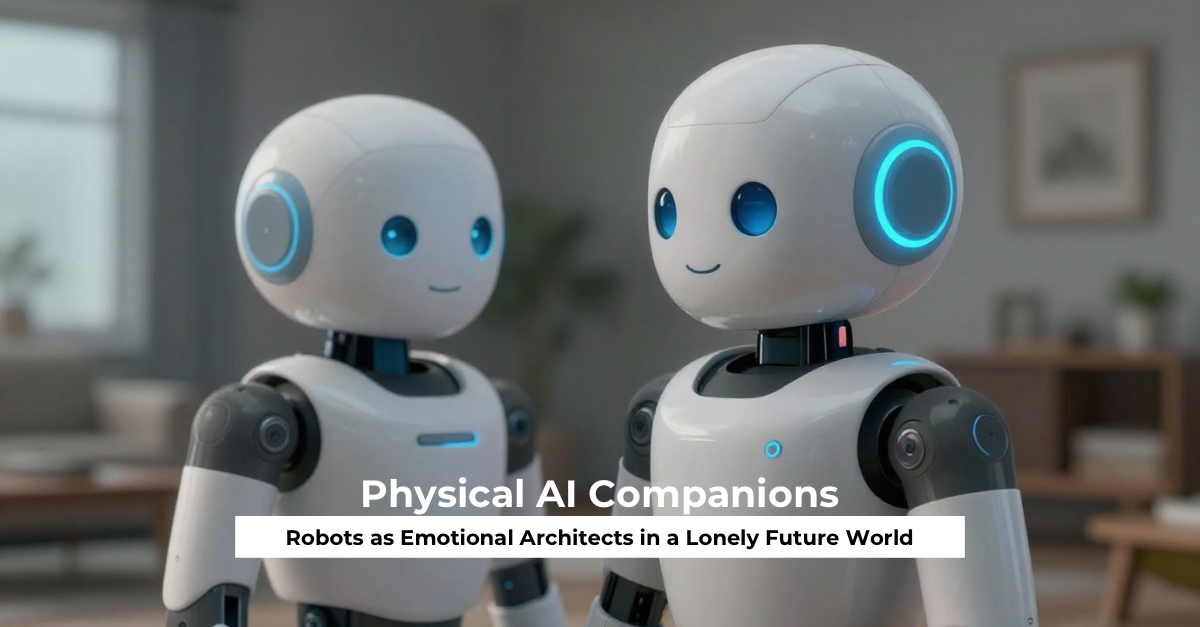
Physical AI Companions Robots as Emotional Architects in a Lonely Future World
Hey there, have you ever felt that nagging pull of loneliness, even when you’re surrounded by people? In our fast-paced, screen-dominated world, it’s becoming all too common. But imagine a future where a clever robot isn’t just a gadget—it’s your confidant, your cheerleader, and maybe even your emotional lifeline. That’s the magic of physical AI companions: these aren’t your clunky old robots from sci-fi movies; they’re smart, empathetic entities designed to weave themselves into our lives, especially as we grapple with mental health woes, caring for our elders, and the isolation of remote work. Let’s dive in and explore how these bots could reshape our lonely future into something warmer and more connected.
World Craving Connection
Picture this: you’re scrolling through your feed late at night, feeling a bit adrift in a sea of digital noise. Sound familiar? Well, you’re not alone—literally. Loneliness isn’t just a fleeting emotion; it’s a full-blown epidemic affecting millions worldwide. And as our populations age and work shifts to remote setups, that sense of disconnection only deepens. Enter physical AI companions—robots infused with artificial intelligence that go beyond fetching your coffee. They’re built to understand your moods, chat like an old friend, and even hug you when you need it most.
These aren’t pie-in-the-sky ideas; they’re evolving right now, blending robotics with emotional smarts to act as architects of our inner worlds. Think of them as bridges over the chasms of isolation, helping us build healthier, happier lives. But how did we get here, and where are we headed? Stick with me as we unpack this fascinating shift.
The Silent Epidemic of Loneliness in Modern Society
Let’s get real for a moment—why is loneliness hitting us so hard these days? With longer lifespans, we’re seeing more folks living into their golden years, but often without the tight-knit communities of yesteryear. Add in the rise of remote work, where your “office” is a Zoom call from your kitchen table, and suddenly, human touch feels like a luxury. Studies show that social isolation can spike risks for depression, anxiety, and even physical ailments like heart disease. It’s like a hidden storm brewing, especially among the elderly and those working solo.
In fact, by 2050, over 2 billion people will be 60 or older, many facing caregiver shortages and emotional voids. Post-pandemic, remote workers report feeling more detached than ever, with mental health taking a nosedive. It’s not just numbers; it’s real people staring at empty rooms, yearning for meaningful interaction. So, what if technology could step in, not to replace humans, but to fill those gaps with genuine empathy?
How Physical AI Steps In as the Ultimate Companion
Here’s where it gets exciting: physical AI companions are like that reliable friend who’s always there, minus the judgment. These robots use advanced AI to read your facial expressions, tone of voice, and even body language, responding in ways that feel authentically caring. For mental health, they might guide you through breathing exercises during a panic attack. In elderly care, they remind you to take meds while sharing a joke to brighten your day. And for remote workers? They’re your virtual water-cooler buddy, keeping the loneliness at bay.
This isn’t about cold machines; it’s about warm, adaptive partners that evolve with you. As we predict societal changes, these companions could redefine relationships, turning isolation into opportunity in our aging, scattered world. Ready to see how they’ve evolved?
The Evolution of Robotics: From Mechanical Helpers to Empathetic Beings
Remember those early robots in factories, clanking away at assembly lines? They were efficient but about as empathetic as a toaster. Fast forward to today, and robotics has undergone a metamorphosis, thanks to AI infusions that make them feel almost human. It’s like upgrading from a bicycle to a self-driving car—suddenly, the journey is smoother and more intuitive.
These physical entities are now “emotional architects,” designing spaces in our lives for comfort and connection. They’ve moved beyond basic tasks to understanding our feelings, predicting our needs, and even learning from our quirks. But how exactly did this happen? Let’s break it down.
Beyond Nuts and Bolts – Infusing AI with Heart
The shift started when engineers realized robots could do more than lift heavy objects—they could lift spirits too. Basic robotics focused on precision and repetition, like vacuum cleaners or industrial arms. But AI-infused versions? They’re packed with sensors, cameras, and algorithms that mimic human empathy. Imagine a robot that notices you’re down and plays your favorite tune or shares an uplifting story. That’s the heart of this evolution.
This change is driven by our growing need for companions in a world where human connections are stretched thin. As societies age and isolation rises, these bots offer a scalable solution, blending tech with tenderness to combat loneliness head-on.
Key Technologies Powering Emotional Intelligence
At the core, it’s all about the tech stack. Artificial intelligence and machine learning let these robots learn from interactions, getting better over time—like a puppy that figures out your routines. Natural language processing (NLP) allows them to chat naturally, picking up on slang or sarcasm. Then there’s emotional AI, which analyzes voice tones and facial cues to gauge moods, responding with appropriate empathy.
For instance, sensors detect if an elderly person hasn’t moved much, prompting gentle encouragement for activity. In mental health scenarios, they use data from wearables to suggest mindfulness breaks. It’s sophisticated stuff, making robots feel less like machines and more like allies.
Real-World Examples of Early AI Companions
Take PARO, the fluffy seal robot—it’s been a game-changer in dementia care, reducing stress and sparking joy without needing walks or feeding. Or ElliQ, a tabletop companion that chats, reminds, and even facilitates video calls, helping seniors stay connected. These aren’t futuristic fantasies; they’re in homes today, proving that physical AI can be both practical and profoundly touching.
AI Companions Revolutionizing Mental Health Support
Mental health—it’s that topic we all know is crucial but often shy away from discussing. Yet, with rising rates of depression and anxiety, especially in isolated populations, physical AI companions are stepping up as unsung heroes. They’re not therapists, but they’re darn good listeners, available 24/7 without the wait times or stigma.
Think of them as emotional architects, rebuilding your mental landscape one supportive interaction at a time. How do they do it? By blending empathy with data-driven insights, creating a safe space for vulnerability.
Tackling Isolation One Conversation at a Time
Isolation can feel like being stranded on an island, but AI companions throw you a lifeline. They engage in meaningful chats, sharing stories or asking about your day, which studies show can slash loneliness by up to 40% in some cases. For remote workers glued to screens, a robot buddy might simulate office banter, reminding you to take breaks or celebrate small wins.
In an aging society, where family visits might be sparse, these bots provide consistent companionship, turning quiet evenings into engaging ones. It’s simple yet powerful—sometimes, just hearing “How are you feeling today?” can make all the difference.
Personalized Therapy in Your Living Room
What if your companion knew you better than your best friend? AI robots use personalization to tailor support, like suggesting journaling for stress or guiding meditation sessions. For mental health, they track patterns—maybe noticing fewer smiles and offering uplifting content.
Research highlights how social robots reduce depression through emotional engagement, especially for older adults. It’s like having a pocket therapist, but one that doesn’t bill by the hour. Of course, they’re supplements, not substitutes, for professional help, but they bridge gaps beautifully.
Success Stories from Users and Studies
Real talk: users rave about these companions. One study found that AI interventions, like voice assistants, significantly cut loneliness in seniors, fostering psychological well-being. Imagine a veteran with PTSD finding solace in a chatbot’s calm responses, or a remote worker boosting mood with daily check-ins. These stories aren’t anomalies; they’re glimpses of a more supportive future.
Transforming Elderly Care: Companions That Care Deeply
Elderly care—it’s a labor of love, but let’s be honest, it’s exhausting for everyone involved. With caregiver shortages looming, physical AI companions are emerging as compassionate allies, handling the mundane while nurturing the soul. They’re like that devoted grandchild who’s always around, minus the scheduling conflicts.
In this lonely future, where populations age rapidly, these robots could be the key to dignified, independent living. Let’s explore how they’re changing the game.
Daily Assistance Meets Emotional Warmth
From medication reminders to fall detection, AI robots handle practicalities with ease. But the real gem? Their emotional side—hugging, chatting, or even dancing to lift spirits. For elders, this blend means better sleep, adherence to routines, and overall well-being.
It’s akin to a warm blanket on a chilly day: comforting and reliable. As societies shift, these companions enable aging in place, reducing the need for institutional care.
Easing the Load on Families and Caregivers
Families often bear the brunt, juggling work and worry. AI steps in by monitoring health, alerting to issues, and providing companionship, freeing humans for quality time. Studies show this reduces burnout, with robots offering 24/7 support without fatigue.
Think of it as a team effort: robots handle the routine, humans the heart-to-hearts. In an isolated world, this could redefine care as more sustainable and loving.
Innovations Like ElliQ and PARO in Action
ElliQ, with its proactive chats and health prompts, has transformed senior lives, promoting independence and joy. PARO, the therapeutic seal, eases dementia symptoms through cuddles and responses, proving robots can heal emotionally. These aren’t gadgets; they’re game-changers, hinting at a future where care is compassionate and tech-savvy.
AI in Remote Work: Your Desk-Side Emotional Architect
Remote work—freedom or isolation trap? For many, it’s both. Enter physical AI companions, turning your home office into a hub of productivity and positivity. They’re like that coworker who always has your back, but without the awkward small talk.
As work evolves, these bots could prevent burnout, fostering connections in a digital divide.
Bridging the Distance in a Virtual World
In remote setups, human interaction dwindles, leading to “Zoom fatigue.” AI companions fill the void with casual chats, team-building games, or even virtual high-fives. They simulate presence, making solo work feel less solitary.
For global teams, they adapt to time zones, offering support when colleagues are offline. It’s like having a bridge over the ocean of distance, keeping spirits high.
Boosting Focus, Fun, and Well-Being from Afar
Ever hit a creative wall? An AI bot might suggest a quick walk or brainstorm ideas. Studies on AI in work show improved engagement and reduced stress, especially with motivational feedback.
They track your energy levels, nudging for breaks or celebrations. In a lonely future, this could mean happier, more efficient workers, redefining productivity with empathy.
Societal Shifts on the Horizon: Redefining What Relationships Mean
As AI companions proliferate, society’s fabric might weave in new threads. Relationships could expand beyond humans, with robots as trusted allies. In an aging, isolated world, this shift might normalize machine bonds, but at what cost?
Let’s ponder: will we cherish human connections more, or lean too heavily on tech?
In an Aging World, Robots as Lifelong Friends
With 2.1 billion over 60 by 2050, robots could be essential, offering companionship where humans fall short. They redefine aging as vibrant, not vulnerable, fostering independence and joy.
Yet, it’s a double-edged sword—enhancing lives while challenging traditional family roles.
Navigating Isolation in a Post-Pandemic Era
Post-COVID, isolation lingers, especially for remote folks. AI companions could heal this, promoting mental health and social ties. But society must adapt, integrating tech without losing human essence.
Imagine neighborhoods where robots facilitate community events—utopian or eerie?
Potential Downsides and Ethical Dilemmas
Ethics loom large: do robots perpetuate stereotypes, like always female-voiced? And what about discharging human duties? We must ensure they augment, not replace, real care.
Balancing innovation with morality will shape this future.
Challenges Ahead: Balancing Innovation with Humanity
No rose without thorns—AI companions bring hurdles. Privacy, dependency, accessibility: we need solutions to make this tech inclusive and safe.
Let’s face them head-on, ensuring benefits outweigh risks.
Privacy Concerns in an Always-Listening Companion
These bots collect data to personalize—great, but risky. Hacking or misuse could expose vulnerabilities. Solutions? Robust encryption and user controls, like opt-in features.
In healthcare, regulations must evolve to protect the elderly’s info.
Avoiding Over-Reliance on Machines
What if we forget how to connect humanly? Dependency risks emotional atrophy. Counter it with hybrid approaches: robots encourage real interactions, like prompting calls to friends.
Education on balanced use will be key in our evolving society.
Peering into the Future: What’s Next for Physical AI Companions
Gazing ahead, the horizon glows with possibilities. More advanced AI, humanoid forms, integration with smart homes—it’s thrilling.
But success hinges on ethical design and societal readiness.
Emerging Trends and Bold Predictions
Trends point to AI with deeper emotional IQ, perhaps predicting needs before you voice them. Humanoid companions for physical hugs, or VR-integrated bots for immersive chats.
By 2035, markets predict billions in growth, with robots standard in homes. Bold? They’ll redefine loneliness as obsolete.
How Society Might Adapt and Thrive
Society could flourish: less mental health strain, empowered elders, productive workers. But adaptation means policies for equity, ensuring all access this tech.
Ultimately, it’s about harmony—humans and AI building a less lonely world together.
In wrapping up, physical AI companions stand as beacons in our potentially lonely future, architecting emotional havens amid isolation. They’ve evolved from mere machines to empathetic partners, touching mental health, elderly care, and remote work in profound ways. As we predict shifts in an aging society, these bots promise redefined relationships—warmer, more resilient ones. Yet, we must navigate challenges thoughtfully to harness their full potential. The future isn’t about replacing humans; it’s about enhancing our connections, one robotic hug at a time.
Frequently Asked Questions
1. How do physical AI companions differ from virtual assistants like Siri?
Unlike voice-only assistants, physical AI companions have tangible forms—like robots or devices—that allow for physical interactions, such as hugs or gestures, making emotional support feel more real and immersive.
2. Can these AI robots truly understand human emotions?
Yes, through technologies like emotional AI and sensors, they analyze tones, expressions, and behaviors to respond empathetically, though they’re not perfect and learn from interactions over time.
3. Are physical AI companions affordable for everyday people?
Currently, prices vary from a few hundred to thousands of dollars, but as technology advances and markets grow, they’re becoming more accessible, with subsidies possible in healthcare settings.
4. What if an AI companion malfunctions during a critical moment?
Most are designed with fail-safes, like emergency alerts to humans, and regular updates ensure reliability, but they’re best used as supplements to professional care.
5. Will relying on AI companions make us less social with real people?
Not necessarily—they often encourage human interactions, like reminding you to call family, and studies suggest they can actually boost overall social engagement by reducing isolation.