
Imagine waking up every morning with the freedom to pursue your passions, without the weight of financial stress. This is the reality for many individuals who have cultivated a millionaire mindset, a way of thinking that empowers them to achieve financial freedom.

Adopting a millionaire mindset is not just about accumulating wealth; it’s about developing a strategic approach to managing your finances and creating opportunities for growth. It’s about understanding the principles of wealth creation and applying them to your life.
By mastering these principles, you can break free from the constraints of a limited income and unlock the doors to financial freedom. In this article, we will explore the key elements of a millionaire mindset and provide guidance on how to cultivate it in your own life.
Key Takeaways
- Understanding the concept of a millionaire mindset
- The significance of wealth creation in achieving financial freedom
- Practical strategies for cultivating a millionaire mindset
- The importance of financial literacy in wealth creation
- Overcoming obstacles to achieving financial freedom
The Psychology Behind Wealth Creation
The mindset one adopts can significantly influence their path to financial success. Wealth creation is not just about having the right financial tools or knowledge; it’s also deeply rooted in one’s psychological makeup.
Abundance vs. Scarcity Thinking
The way we think about money and resources can either limit or expand our potential for wealth creation. Abundance thinking is the belief that there’s enough to go around, and it fosters a positive, opportunistic mindset. On the other hand, scarcity thinking is rooted in the fear that there’s never enough, leading to a restrictive and fearful approach to financial decisions.
Recognizing Thought Patterns That Limit Wealth
To shift towards abundance thinking, one must first recognize the thought patterns that limit wealth. This involves becoming aware of negative self-talk and beliefs that perpetuate scarcity.
Cultivating an Abundance Mindset Daily
Cultivating an abundance mindset daily can be achieved through practices like gratitude journaling and visualization. By focusing on abundance, individuals can begin to shift their perception and open themselves up to new opportunities.
Overcoming Financial Limiting Beliefs
Limiting beliefs about money can significantly hinder one’s ability to create wealth. These beliefs often stem from past experiences or societal conditioning. Overcoming them requires a conscious effort to challenge and reframe these beliefs.
“The way to get started is to quit talking and begin doing.”
Dwight D. Eisenhower
The Role of Self-Discipline in Building Wealth
Self-discipline is a critical component of wealth creation. It involves making consistent, long-term decisions that may not always be immediately gratifying but are crucial for financial success.
By understanding and applying the psychological principles behind wealth creation, individuals can better navigate their financial journeys and make meaningful progress towards their goals.
The Making of Millionaire: Core Principles
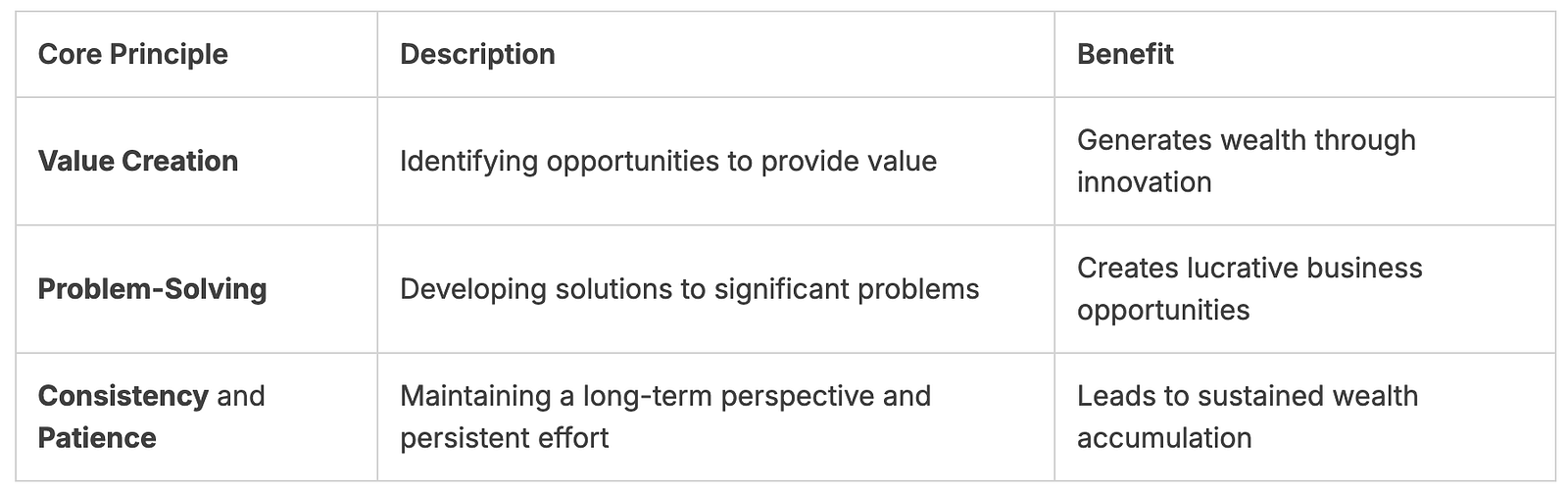
The journey to becoming a millionaire involves understanding and implementing core principles that drive wealth creation. At its core, building significant wealth is about more than just saving money; it’s about creating value, solving problems, and being consistent and patient in your financial endeavors.
Value Creation as a Foundation
Creating value is fundamental to achieving financial success. This involves identifying opportunities to provide value to others, whether through a business, investment, or skillset. By focusing on how you can positively impact others, you lay the groundwork for generating wealth. Value creation is about understanding market needs and fulfilling them in innovative ways.
Problem-Solving Approach to Wealth
A problem-solving approach is crucial for wealth creation. Millionaires often identify significant problems and develop effective solutions. This not only provides value to others but also generates substantial income. By focusing on solving real-world problems, individuals can create lucrative business opportunities or investments.
Consistency and Patience in Wealth Building
Consistency and patience are key virtues in the journey to becoming a millionaire. Wealth building is a long-term process that requires persistent effort and the ability to withstand financial setbacks. Consistency in saving, investing, and improving one’s financial literacy is crucial.
The Compound Effect in Finance
The compound effect is a powerful financial principle that can significantly impact wealth accumulation. It refers to the process of generating earnings on both the initial investment and any accrued earnings over time. This effect can lead to exponential growth in wealth.
Long-term Vision vs. Short-term Gratification
Having a long-term vision is essential for financial success, as it allows individuals to make sacrifices in the short term for greater rewards in the future. Balancing the desire for immediate gratification with long-term goals is a critical aspect of wealth creation.
Financial Literacy: The Millionaire’s Essential Skill
Financial literacy serves as the backbone of wealth creation. It encompasses a range of skills and knowledge that are crucial for making informed financial decisions. By understanding and managing their financial resources effectively, individuals can pave their way to achieving millionaire status.
Understanding Income, Expenses, and Cash Flow
Effective financial management begins with a clear understanding of one’s income, expenses, and cash flow. Income is the money earned from various sources, such as salaries, investments, or businesses. Expenses are the outflows of money for different needs and wants. Cash flow, on the other hand, refers to the movement of money into or out of a business or individual’s accounts. Positive cash flow is essential for wealth accumulation.
Mastering Debt Management
Debt management is a critical aspect of financial literacy. It involves understanding the different types of debt and managing them effectively. Not all debts are created equal; some are beneficial, while others are detrimental.
Good Debt vs. Bad Debt Distinctions
Good debt is typically associated with investments that have a potential for long-term returns, such as real estate or education. Conversely, bad debt involves high-interest loans or credit card debt used for consumable items that do not appreciate in value.
Strategic Debt Elimination Tactics
Eliminating debt strategically involves prioritizing high-interest debts first and using tactics like debt consolidation or balance transfer to simplify payments and reduce interest rates. Creating a debt repayment plan and sticking to it is crucial.
Building a Strong Credit Profile
A strong credit profile is vital for accessing credit at favorable interest rates. It involves maintaining a good credit history by making timely payments, keeping credit utilization ratios low, and monitoring credit reports for errors. A good credit score can significantly enhance one’s financial flexibility and opportunities.
Strategic Income Generation Methods
Your path to financial independence is paved with multiple streams of income and smart financial decisions. To achieve this, you need to understand and implement strategic income generation methods that work for you.

Multiple Income Streams Development
Developing multiple income streams is a cornerstone of financial stability and wealth creation. By diversifying your income sources, you reduce your dependence on a single income stream, thereby mitigating financial risk.
Active Income Optimization
Optimizing your active income involves maximizing your earnings from your primary job or profession. This can be achieved by taking on additional responsibilities, asking for raises, or switching to higher-paying opportunities.
Side Hustle Selection and Growth
Selecting the right side hustle can significantly boost your income. Identify your skills and interests to find a side hustle that not only generates additional income but also has the potential for growth.
Passive Income Strategies
Creating passive income streams is a powerful way to build wealth over time. This can include investing in dividend-paying stocks, real estate investment trusts (REITs), or creating digital products that sell online.
Scaling Your Earning Potential
To scale your earning potential, you need to be proactive and sometimes take calculated risks. This could mean investing in your education, expanding your professional network, or exploring new business opportunities.
By implementing these strategic income generation methods, you can significantly enhance your financial stability and move closer to achieving your financial goals.
Investment Strategies of Self-Made Millionaires
Investing wisely is a crucial step towards achieving financial freedom, as seen in the strategies of self-made millionaires. These individuals often employ a combination of investment approaches to build and maintain their wealth.
Stock Market Fundamentals
The stock market is a fundamental component of many investment portfolios. It offers a platform for buying and selling shares in publicly traded companies, providing opportunities for growth and income generation.
Index Funds and ETFs for Wealth Building
Index funds and ETFs are popular investment vehicles that track a specific market index, such as the S&P 500. They offer broad diversification and can be a low-cost way to invest in the stock market.
Dividend Investing for Passive Income
Dividend investing involves purchasing stocks in companies that pay out a portion of their profits to shareholders. This strategy can provide a regular income stream and is often used by investors seeking passive income.
Real Estate Investment Approaches
Real estate investing involves purchasing, owning, and managing properties to generate rental income or sell for a profit. It’s a tangible asset class that can provide a hedge against inflation and market volatility.
Business Ownership and Entrepreneurship
For many self-made millionaires, building wealth involves starting or investing in a business. Entrepreneurship offers the potential for significant financial rewards, though it also comes with higher risks. Successful business owners often possess a unique combination of innovation, leadership, and strategic thinking.
By understanding and leveraging these investment strategies, individuals can take significant steps towards achieving their financial goals.
Risk Management and Wealth Preservation
The path to financial success is often fraught with uncertainty, making risk management a vital skill for anyone seeking to build lasting wealth. As you navigate the complexities of wealth creation, it’s essential to strike a balance between taking calculated risks and protecting your assets.
Calculated Risk-Taking
Calculated risk-taking is about making informed decisions that balance potential risks with potential rewards. It involves assessing opportunities, understanding the potential downsides, and taking steps to mitigate those risks. By adopting a calculated approach to risk-taking, you can avoid reckless decisions and increase your chances of achieving financial success.

Insurance and Protection Strategies
Insurance and protection strategies are critical components of a comprehensive risk management plan. They provide a safety net against unforeseen events that could otherwise derail your financial progress. By investing in the right insurance products, you can protect your assets and ensure that you’re prepared for any eventuality.
Diversification Principles
Diversification is a key principle in managing risk and preserving wealth. By spreading your investments across different asset classes, you can reduce your exposure to any one particular market or sector. This helps to protect your wealth from significant losses due to market fluctuations.
Asset Allocation Across Categories
Effective diversification involves allocating your assets across various categories, such as stocks, bonds, and real estate. This helps to ensure that your portfolio is resilient and better positioned to weather market volatility.
Geographic and Sector Diversification
In addition to asset allocation, geographic and sector diversification can further reduce risk. By investing in different regions and industries, you can spread your risk and capitalize on growth opportunities in various parts of the world.
Networking and Relationship Building for Wealth
The art of networking and building strategic relationships is a crucial element in the journey to financial freedom. As you build your wealth, the connections you make can provide valuable opportunities, insights, and support.
The Power of Strategic Connections
Strategic connections can open doors to new opportunities, provide access to valuable advice, and create a support system that can help navigate the complexities of wealth creation. Identifying the right people to connect with is key to building a powerful network.
Identifying High-Value Relationships
To build a strong network, focus on identifying high-value relationships that can offer mentorship, guidance, or access to new opportunities. This involves being clear about your goals and what you can offer in return.
Reciprocity in Professional Networks
Reciprocity is a fundamental principle in professional networking. It’s about giving as much as you take, whether that’s through sharing knowledge, making introductions, or offering support. This reciprocal approach helps build trust and strengthens your network.
“Your network is your net worth.” — Porter Gale
Finding and Working with Mentors
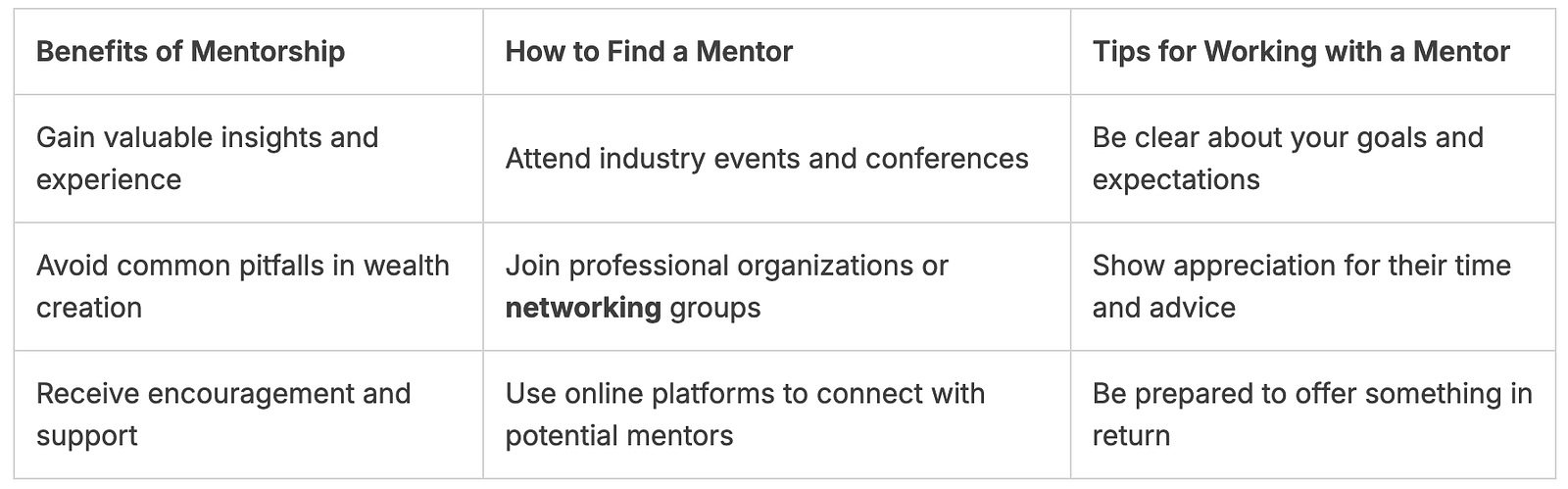
Finding a mentor who can guide you through the process of wealth creation can be incredibly valuable. A good mentor can offer insights gained from their own experiences, help you avoid common pitfalls, and provide encouragement when needed.
To find a mentor, look for individuals who have achieved what you aspire to. Attend industry events, join professional organizations, or use online platforms to connect with potential mentors. When approaching a potential mentor, be clear about what you’re asking for and what you can offer in return.
Time Management Practices of Wealthy Individuals
Effective time management is the backbone of wealth creation, enabling individuals to prioritize and achieve their financial goals. Wealthy individuals understand that time is a limited resource that must be utilized efficiently to maximize productivity and income.
Prioritization Techniques
Wealthy individuals often employ prioritization techniques to focus on high-impact activities. This involves identifying and tackling the most critical tasks first, thereby ensuring that their time is spent on activities that drive significant financial returns. Prioritization is key to achieving more in less time.
Delegation and Outsourcing
Another crucial aspect of time management among the wealthy is delegation and outsourcing. By delegating tasks to others, individuals can free up time to concentrate on high-value activities that directly contribute to their wealth. This could involve hiring staff, outsourcing household chores, or automating repetitive tasks.
Work-Life Balance for Sustainable Success
Achieving a work-life balance is essential for maintaining the energy and motivation needed for long-term success. Wealthy individuals often strive to balance their professional and personal lives to prevent burnout and ensure sustainable wealth creation.
Preventing Burnout While Building Wealth
To prevent burnout, it’s crucial to take regular breaks, practice self-care, and set realistic goals. By doing so, individuals can maintain their physical and mental well-being while pursuing their financial objectives.
Quality Time Investment in Key Relationships
Investing quality time in key relationships is also vital. Nurturing personal and professional relationships can lead to new opportunities, support networks, and a stronger overall well-being.
Overcoming Obstacles on the Path to Millions
Every millionaire has faced setbacks, but it’s how they overcome these challenges that sets them apart. The journey to wealth is rarely a straightforward one; it’s often marked by financial stress, failure, and periods of low motivation. However, understanding how to navigate these obstacles is crucial for achieving financial success.
Dealing with Failure and Setbacks
Failure is an inevitable part of the wealth creation process. Rather than being discouraged by setbacks, successful individuals use them as learning opportunities. By analyzing what went wrong and adjusting their strategies, they move closer to their financial goals. Embracing failure as a stepping stone to success is a mindset that can significantly impact one’s ability to build wealth.
Managing Financial Stress
Financial stress can be debilitating, affecting not just financial decisions but overall well-being. Effective management of financial stress involves creating a budget, prioritizing needs over wants, and building an emergency fund. By taking control of their financial situation, individuals can reduce stress and make more rational, less emotional, financial decisions.
Staying Motivated During Challenging Times
Staying motivated on the path to wealth requires a clear vision of one’s goals and the reasons behind them. Celebrating small victories along the way can also help maintain motivation. Additionally, having a support system, whether through mentors or like-minded communities, can provide the encouragement needed to persevere through challenging times.
Creating Accountability Systems
One effective way to stay on track is by creating accountability systems. This can involve regular check-ins with a financial mentor or joining a community of individuals with similar financial goals. Such systems provide an added motivation to adhere to one’s financial plans.
Celebrating Milestones on Your Wealth Journey
Celebrating milestones is not just about acknowledging success; it’s also a powerful motivator. By recognizing and celebrating the achievements along the way, individuals can reinforce positive financial behaviors and stay motivated to continue working towards their long-term financial goals.
Your Journey to Financial Freedom
Embarking on a wealth creation journey requires dedication, persistence, and a clear understanding of the principles that drive financial freedom. Throughout this article, we’ve explored the essential strategies and mindset shifts necessary for achieving success.
By adopting an abundance mentality, cultivating financial literacy, and implementing strategic income generation methods, individuals can set themselves on the path to financial freedom. Effective risk management, networking, and time management practices further support this journey.
As you continue on your wealth creation journey, remember that overcoming obstacles and staying motivated are crucial. By applying the insights gained from this article, you can navigate challenges and make steady progress toward your financial goals.
Ultimately, achieving financial freedom is a personal and ongoing process. Stay committed to your goals, and with persistence and the right strategies, you can realize the financial independence you desire.
FAQ
What is the millionaire mindset, and how can it be developed?
The millionaire mindset refers to the set of beliefs, attitudes, and thought patterns that enable individuals to create wealth. It can be developed by adopting abundance thinking, overcoming limiting beliefs, and cultivating self-discipline.
How does abundance thinking differ from scarcity thinking?
Abundance thinking involves focusing on opportunities and possibilities, while scarcity thinking is centered on limitations and lack. Abundance thinking is essential for wealth creation as it fosters a positive and proactive approach to financial challenges.
What role does financial literacy play in achieving wealth?
Financial literacy is crucial for making informed decisions about income, expenses, cash flow, debt management, and credit building. It enables individuals to manage their finances effectively and make strategic decisions that support wealth creation.
How can multiple income streams contribute to financial freedom?
Having multiple income streams can reduce financial risk and increase overall earnings. This can be achieved by developing active income sources, creating passive income streams, and scaling earning potential through various means, such as side hustles and investments.
What are some effective investment strategies used by self-made millionaires?
Self-made millionaires often employ a range of investment strategies, including investing in the stock market through index funds or ETFs, real estate investment, and business ownership. These strategies can provide long-term wealth growth and passive income.
How can risk be managed in the pursuit of wealth?
Risk management involves calculated risk-taking, insurance and protection strategies, and diversification principles. By allocating assets across different categories and geographies, individuals can minimize risk and protect their wealth.
Why is networking important for wealth creation?
Networking and building strategic relationships can provide access to valuable connections, mentorship, and opportunities. Identifying high-value relationships and reciprocating in professional networks can help individuals build a supportive community that fosters wealth creation.
How do wealthy individuals manage their time effectively?
Wealthy individuals often prioritize tasks, delegate and outsource effectively, and maintain a work-life balance. By focusing on high-impact activities and nurturing key relationships, they can achieve sustainable success and prevent burnout.
What strategies can help overcome obstacles on the path to wealth?
Dealing with failure, managing financial stress, and staying motivated are crucial for overcoming obstacles. Creating accountability systems and celebrating milestones can also help individuals stay on track and achieve their financial goals.
How can one stay motivated during challenging times on the wealth journey?
Staying motivated involves maintaining a long-term vision, celebrating small wins, and having a support system. By focusing on progress and persisting through challenges, individuals can overcome setbacks and continue their journey to financial freedom.