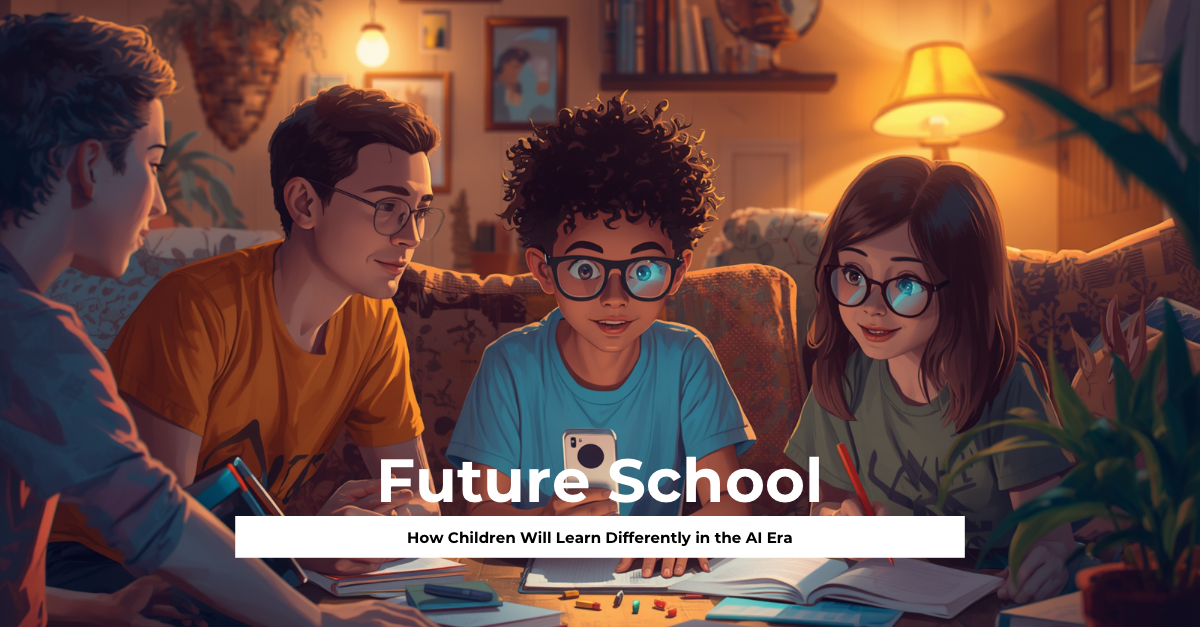
How Children Will Learn Differently in the AI Era Schools in the Future May No Longer Have Homework as We Know It
Hey there, friend. Picture this: your child comes home from school, excited instead of drained, and instead of pulling out the same old worksheet, they open an app that turns their latest science project into an interactive virtual world where they can experiment without any risk. Sounds like science fiction? It’s not. In 2026, this is quickly becoming the new normal. Schools in the future may no longer have homework as we know it, and honestly, that’s pretty exciting once you understand why.
If you’re a parent like me who remembers drilling multiplication tables or writing endless book reports, you probably feel a mix of curiosity and concern. Traditional education worked for many of us, but it also left a lot of kids feeling bored, overwhelmed, or left behind. The good news? AI is stepping in to fix those pain points. In this article, we’ll explore exactly how children will learn differently in the AI era. You’ll discover practical changes happening right now, the benefits for your kid, the challenges we need to watch, and simple steps you can take today to prepare your family. By the end, you’ll feel empowered instead of overwhelmed, ready to turn AI into an ally for your child’s growth. Let’s dive in together.
Why the Traditional Classroom Feels Outdated Right Now
Let’s be real for a second. How many times have you watched your child struggle with a subject while another kid in the same class breezed through it? That’s the classic one-size-fits-all problem. Classrooms today still mostly follow a factory model from over a hundred years ago – same lesson, same pace, same homework for everyone. It’s efficient for teachers but exhausting for kids who learn visually, hands-on, or at their own rhythm.
Parents are worried, and rightly so. Kids today face more distractions, different learning styles, and a world that moves faster than ever. Standardized tests and repetitive homework often kill curiosity instead of feeding it. Many children end up memorizing facts they forget by next week rather than building real understanding. The AI era is flipping this script, and it’s happening faster than most people realize.
The AI Revolution Already Happening in 2026
We’re not talking about robots taking over classrooms tomorrow. The shift is already underway in 2026. AI tools now analyze how a child learns best and adjust content instantly. Think of it like having a super-smart teaching assistant that never gets tired and actually remembers every strength and weakness.
Personalized Learning Paths That Actually Work
One of the biggest game-changers is personalized learning. Instead of forcing every student through the same math chapter at the same speed, AI platforms create individual journeys. Your child who loves stories might learn fractions through baking recipes, while another who loves games tackles them via strategy challenges. This isn’t just nice – it boosts engagement and retention dramatically.
How AI Reads Your Child’s Strengths and Gaps in Real Time
Here’s where it gets cool. AI looks at tiny signals – how long a kid pauses on a question, which explanations they replay, even facial expressions in some apps – and adapts immediately. No more waiting weeks for a test to reveal confusion. Support arrives right when it’s needed. It feels less like school and more like a personal coach cheering your child on.
Goodbye Repetitive Homework – Hello Creative Adventures
This brings us to the hook that got you here. Schools in the future may no longer have homework as we know it because AI handles the repetitive drill work. Instead of worksheets, kids get meaningful tasks that spark creativity.
What “Homework” Looks Like in the AI Era
Future assignments might ask a child to design a sustainable city using AI design tools, then explain their choices in a short video. The AI checks facts and suggests improvements while the child focuses on big ideas. Homework becomes an extension of curiosity, not a chore.
Project-Based Learning Powered by Smart Tools
Projects feel alive when AI assists. Kids can collaborate on global climate simulations or write stories with AI characters that respond realistically. The focus shifts from “get it done” to “what can we create?” That change alone can transform how children see learning.
AI Tutors and Virtual Mentors – Your Child’s 24/7 Learning Buddy
Imagine your child asking a question at 8 PM and getting patient, clear help without you having to Google it yourself. AI tutors do exactly that. They explain concepts in multiple ways until the light bulb clicks.
Adaptive Feedback That Feels Human
These systems don’t just say “wrong.” They say, “Great try! Here’s why that approach almost worked, and let’s try this next.” It builds confidence and resilience – two things every parent wants for their kids.
Real Examples of AI Helping Different Types of Learners
Visual learners get interactive diagrams that move and change. Auditory kids hear explanations in their favorite voice style. Kinesthetic learners control virtual experiments with gestures. No child feels left behind because the system meets them where they are.
The Changing Role of Teachers and Parents
None of this means teachers become obsolete. In fact, their role gets even more valuable.
Teachers Become Guides, Not Just Lecturers
Teachers shift from delivering information to mentoring. They help kids interpret AI suggestions, ask deeper questions, and develop social-emotional skills that technology can’t replace. It’s a more rewarding job for educators and a richer experience for students.
How You Can Support AI-Enhanced Learning at Home
As a parent, you become a co-pilot. You don’t need to be a tech expert. Simple things like asking your child to explain what the AI taught them or discussing how they might improve an AI-generated idea keep the human touch alive.
Exciting New Ways Children Will Engage With Knowledge
Learning in the AI era feels more like play than work for many kids.
Gamification and Immersive Experiences
Points, badges, and stories turn lessons into adventures. Virtual reality lets children walk through ancient Rome or explore the inside of a cell. Augmented reality overlays information onto the real world, making everyday objects magical teaching tools.
Collaboration Across the Globe
AI breaks down language barriers so kids in Bangkok can team up with peers in Brazil on shared projects. The classroom becomes the world.
Important Challenges We Can’t Ignore
Of course, no big change comes without hurdles. We need to talk honestly about them.
Privacy, Screen Time, and Digital Dependency
AI collects data to personalize, which raises privacy questions. Too much screen time can affect sleep, physical health, and real-world friendships. Parents and schools must set healthy boundaries.
Keeping Human Connection Alive
The biggest risk? Children might offload too much thinking to AI and lose opportunities to struggle, fail, and grow. We must protect time for face-to-face conversations, creative play without devices, and genuine human relationships.
Skills Your Child Will Need to Thrive in an AI World
Success tomorrow won’t come from memorizing facts. It will come from uniquely human abilities.
Critical Thinking, Creativity, and AI Literacy
Kids need to learn how to question AI outputs, spot biases, and use the technology as a tool rather than a crutch. Creativity, empathy, collaboration, and resilience become the superpowers AI can’t replicate.
Practical Steps to Prepare Your Family Today
You don’t have to wait for 2030. Start small and smart.
Simple Tools and Habits to Start With
Explore age-appropriate AI learning apps together. Set family rules around device use. Encourage your child to explain their thinking out loud before asking AI for help. Celebrate effort and curiosity more than perfect answers. These habits build confidence and balance.
How Schools and Communities Are Adapting
Many forward-thinking schools are already piloting AI-friendly policies. They blend technology with hands-on activities and teach digital citizenship early. Communities are offering parent workshops so families can navigate changes together.
The Long-Term Benefits for Your Child’s Future
When done right, AI-enhanced learning creates more confident, curious, and capable adults. Children learn at their own pace, explore passions deeply, and develop skills that matter in a changing world. The gap between “school learning” and “real life” shrinks dramatically.
Balancing Technology With What Makes Childhood Magical
Let’s not forget the joy of mud pies, bike rides, and board games. The best approach mixes AI tools with plenty of unplugged wonder. Technology should enhance childhood, never replace it.
What This Means for Different Age Groups
Younger kids benefit from playful AI companions that build early literacy and social skills gently. Teens gain from advanced project tools that prepare them for careers we haven’t even named yet. Every stage gets something valuable when AI is introduced thoughtfully.
Common Myths About AI in Education
Some people fear AI will make kids lazy. Others think it replaces teachers completely. Reality sits in the middle: AI amplifies human potential when we guide it wisely.
Looking Ahead: The Bright Possibilities
By embracing the AI era with open eyes and loving hearts, we can create an education system that truly serves every child. Learning becomes lifelong, joyful, and deeply personal.
Wrapping It All Up: Your Next Steps Forward
The way children will learn differently in the AI era is full of promise and possibility. Traditional homework as we remember it is evolving into something far more engaging. Personalized support, creative projects, and wise human guidance will help our kids thrive. The key is balance – using AI as a powerful tool while protecting the human connections and real-world experiences that shape great humans.
You’ve got this. Start small, stay curious, and keep the conversation going with your child and their teachers. The future isn’t something that happens to us – it’s something we shape together, one thoughtful choice at a time. What part of AI-enhanced learning excites you most for your child? Drop a comment below or share this with another parent who’s wondering the same things. Let’s keep learning and growing side by side.
FAQ
1. Will AI completely replace teachers in the future?
No. Teachers will always be essential as mentors, emotional supporters, and guides who help children interpret information and develop social skills. AI handles routine tasks so teachers can focus on what they do best – inspiring young minds.
2. Is it safe for young children to use AI learning tools?
It can be safe with proper parental supervision, age-appropriate apps, and strong privacy settings. Always review data policies and combine screen time with plenty of offline play and human interaction.
3. How can I help my child avoid becoming too dependent on AI?
Encourage them to try solving problems first before asking AI for help. Ask follow-up questions like “Why do you think that works?” and celebrate their own ideas. Balance AI use with creative, non-digital activities.
4. What if my child’s school isn’t using AI yet?
You can still introduce safe, educational AI tools at home. Many free or low-cost options exist for personalized practice. Talk to teachers about gradual integration and share resources that show the benefits.
5. How will AI change the skills my child needs for future careers?
Future success will reward creativity, critical thinking, emotional intelligence, and the ability to work alongside AI. Focus on building AI literacy now – understanding how to prompt, question, and collaborate with these tools effectively.
#EducationAI #FutureSchool #EdTech #AIKids #LearningFuture