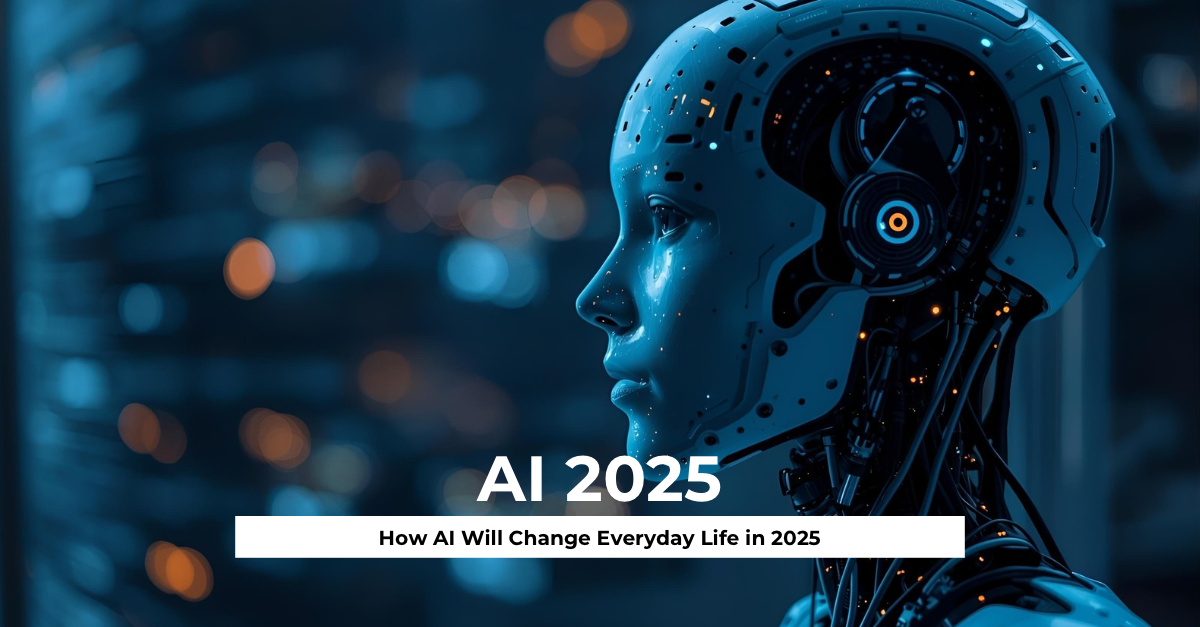
How AI Will Change Everyday Life in 2025
Hey there, friend! Imagine waking up in the morning, and instead of fumbling for your alarm, a gentle voice from your smart home system greets you with the perfect wake-up routine tailored just for you. It knows you had a late night binge-watching that new series, so it suggests a quick yoga session and brews your coffee exactly how you like it—strong, with a dash of almond milk. Sounds like science fiction? Well, in 2025, this is becoming our everyday reality. Artificial intelligence isn’t just a buzzword anymore; it’s weaving itself into the fabric of our lives, making things smoother, smarter, and sometimes a bit surreal. But how exactly is AI reshaping our daily grind? Let’s chat about it, step by step, like we’re grabbing coffee and swapping stories.
AI’s Role in Daily Life
First off, let’s get on the same page about what AI really means in 2025. It’s not about robots taking over the world—though, yeah, that’s a fun movie plot. AI is more like that super-helpful friend who anticipates your needs before you even voice them. From chatbots that handle customer service to algorithms that curate your social media feed, AI is everywhere, quietly making decisions that affect us all.
Understanding AI’s Evolution by 2025
Think back a few years—AI was mostly about voice assistants like Siri or Alexa answering basic questions. Fast forward to now, and we’re dealing with generative AI that can create art, write essays, or even compose music on the fly. According to reports from places like Stanford’s AI Index, AI performance has skyrocketed, with models improving on benchmarks that once seemed impossible. It’s like AI went from being a toddler stumbling around to a full-grown athlete sprinting ahead. This evolution means AI isn’t just reactive; it’s proactive, learning from our habits to make life easier. Ever wondered why your phone suggests shortcuts based on your routine? That’s AI evolving right in your pocket.
Key Trends Driving AI Integration
What’s fueling this boom? For starters, there’s the rise of personalized AI assistants that feel almost human. Trends like augmented working—where AI boosts our productivity—and real-time automated decision-making are huge. McKinsey’s surveys show businesses are all in on AI, leading to record investments. Then there’s ethical AI, ensuring these systems are fair and transparent. Picture AI as a river that’s swelling with data from our devices, flowing into every corner of life. But with great power comes great responsibility—we’re seeing more focus on responsible AI to avoid biases. Exciting, right? Or a little overwhelming? Either way, these trends are setting the stage for massive changes.
AI in Home and Daily Routines
Let’s start close to home—literally. Our living spaces are getting a serious AI upgrade, turning ordinary houses into intuitive companions that adapt to us.
Smart Homes Becoming Smarter
Remember when smart homes meant just turning lights on with your voice? In 2025, it’s way beyond that. AI integrates with IoT devices to create ecosystems that learn and evolve. Your fridge might notice you’re low on eggs and add them to your shopping list, or your thermostat could adjust based on weather forecasts and your preferences. It’s like having a silent butler who knows your every whim. Pew Research highlights how AI is embedding itself in daily life, from news feeds to driving directions, making homes not just connected but truly intelligent.
Personalized AI Assistants
Drilling down, these assistants are the stars of the show. Think of them as your personal life coach. In 2025, they’re evolving from simple reminders to full-fledged agents that handle tasks autonomously. Need to book a doctor’s appointment? Your AI checks your calendar, finds the best slot, and even prepares questions based on your health history. Experts predict by year’s end, we’ll have billions of these assistants, one for nearly every person. It’s convenient, but ever feel like it’s a tad creepy? Like, how much does it really know about you? That’s the double-edged sword we’re navigating.
Health and Wellness Monitoring
And speaking of health, AI at home is keeping tabs on our well-being without us lifting a finger. Wearables track sleep patterns, suggest meal tweaks for better energy, or alert you to potential issues like irregular heartbeats. It’s preventative care in your living room—imagine catching a health glitch early, saving trips to the ER. Reports from universities like Cincinnati note AI’s role in transforming healthcare at home, making it more accessible and personalized.
AI Transforming Work and Productivity
Shifting gears to the office—or wherever you work these days—AI is like that coworker who never sleeps and always has your back.
Augmented Working Environments
Gone are the days of staring blankly at spreadsheets. AI augments our jobs, handling the tedious stuff so we can focus on creativity. McKinsey talks about “superagency” in the workplace, where AI empowers us to unlock potential. For instance, it analyzes data trends in seconds, spotting insights that might take humans hours. It’s like giving your brain a turbo boost—suddenly, you’re not just working harder, but smarter.
Real-Time Decision-Making Tools
Ever faced a tough call at work? AI steps in with real-time analytics, forecasting outcomes based on vast data. In sales, it predicts customer behavior; in project management, it reallocates resources on the fly. Forbes lists this as a top trend for 2025, where decisions happen instantly, reducing risks and boosting efficiency. But here’s a rhetorical question: What if AI makes a bad call? We’re learning to trust it while keeping a human eye on things.
AI’s Impact on Healthcare
Now, let’s talk health—AI is revolutionizing how we stay well, from diagnosis to daily management.
Advanced Diagnostics and Prevention
AI tools are detecting diseases earlier than ever. In imaging, algorithms spot cancers with accuracy rivaling doctors. Pew’s surveys show AI playing roles in politics to arts, but in healthcare, it’s life-saving. Predictive analytics flag risks based on your lifestyle, turning prevention into a proactive game. It’s like having a crystal ball for your health—exciting, yet it raises questions about over-reliance.
Personalized Treatment Plans
No more one-size-fits-all medicine. AI crafts plans tailored to your genetics and habits. Syracuse’s insights on AI benefits highlight enhanced decision-making here. Imagine drugs dosed perfectly for you, minimizing side effects. It’s transformative, making healthcare feel personal and precise.
Revolutionizing Education with AI
Education is getting a fun, futuristic twist—AI makes learning engaging and customized.
Adaptive Learning Systems
Platforms adapt to your pace, strengthening weak areas while speeding through strengths. It’s like a teacher who knows exactly where you’re stuck. Northwest Education predicts hyper-personalized experiences as a key trend.
AI Tutors and Virtual Classrooms
Virtual tutors explain concepts in ways that click for you—using analogies from your favorite hobbies. In 2025, they’re multilingual, breaking barriers. Fast Company experts foresee AI agents rising, making education accessible anytime, anywhere.
AI in Transportation and Mobility
Getting around? AI is smoothing the roads—literally.
Autonomous Vehicles Taking Over
Self-driving cars are safer, reducing accidents tied to human error. X posts mention robots handling errands, freeing up hours. It’s like your car becoming a chauffeur, reallocating time for better things.
Smarter Traffic and Urban Planning
AI optimizes traffic lights, predicting flows to cut congestion. Urban planning uses it for efficient designs, making cities livable. McKinsey sees this as societal change.
Entertainment and Media Enhanced by AI
Fun time! AI curates your downtime perfectly.
Personalized Content Recommendations
Streaming services know your tastes better than you do, suggesting hidden gems. It’s like a friend with impeccable recommendations.
Generative AI for Creative Fun
Create stories or art with AI—it’s collaborative creativity. Trends show generative AI in everyday life, sparking imagination.
AI Changing Shopping and Commerce
Shopping? AI makes it effortless and smart.
Hyper-Personalized Experiences
Recommendations based on past buys, even predicting needs. Quora discussions note AI’s personalization in 2025.
AI-Driven Supply Chains
Efficient logistics mean faster deliveries, less waste. It’s behind-the-scenes magic.
AI in Social Interactions and Relationships
Even relationships get an AI nudge.
Virtual Companions and Social Tools
Chatbots offer companionship, combating loneliness. X threads discuss AI in social life.
Enhancing Communication Across Barriers
Real-time translation erases language gaps, fostering global connections.
AI’s Role in Personal Finance
Money matters simplified.
Smart Budgeting and Investing
AI tracks spending, suggests savings. Automated investing spots trends.
Fraud Detection and Security
Instant alerts for suspicious activity—peace of mind.
Ethical Considerations and Challenges
But it’s not all rosy—let’s address the elephants in the room.
Privacy and Data Security Issues
AI thrives on data, but who watches the watchers? Concerns about breaches are real.
Job Displacement and Societal Shifts
Some jobs evolve or vanish—reskilling is key. Harvard reports note AI’s societal impacts.
Addressing Bias in AI Systems
Ensuring fairness—trends emphasize ethical AI.
Environmental Impacts of AI in Daily Life
AI helps and hurts the planet.
AI for Sustainability
Optimizing energy use, monitoring wildlife.
Energy Consumption Concerns
Data centers guzzle power—balancing act needed.
AI in Mental Health and Well-Being
Mind matters too.
Supportive Chatbots and Apps
Therapy bots offer 24/7 support.
Predictive Mental Health Tools
Spotting stress early, suggesting breaks.
The Future Outlook Beyond 2025
Peeking ahead—AI agents, brain interfaces? Prepare by learning.
Emerging Technologies on the Horizon
Multimodal AI, integrating senses.
Preparing for an AI-Driven World
Embrace change, stay curious.
In wrapping up, 2025 marks a pivotal year where AI isn’t just changing everyday life—it’s enhancing it in ways that feel both magical and grounded. From smarter homes to personalized health, the benefits are immense, but so are the responsibilities. We’ve explored how AI touches work, play, and everything in between, blending convenience with caution. As we navigate this, remember: AI is a tool, and we’re the ones steering it. What excites you most about this AI-infused future?
Frequently Asked Questions
1. How is AI making homes more energy-efficient in 2025?
AI optimizes lighting, heating, and appliances based on usage patterns, potentially cutting energy bills by up to 20% while reducing your carbon footprint.
2. Will AI replace human teachers entirely?
No, but it complements them by handling routine tasks, allowing educators to focus on mentoring and emotional support for students.
3. What steps can I take to protect my privacy with AI devices?
Use strong passwords, enable two-factor authentication, and regularly review data-sharing settings on your apps and gadgets.
4. How does AI help with mental health without a therapist?
Through apps that track mood via journaling or biometrics, offering coping strategies or alerting you to seek professional help when needed.
5. Is AI in finance safe for everyday users?
Absolutely, with built-in encryption and real-time monitoring, but always verify transactions and use reputable platforms to avoid risks.