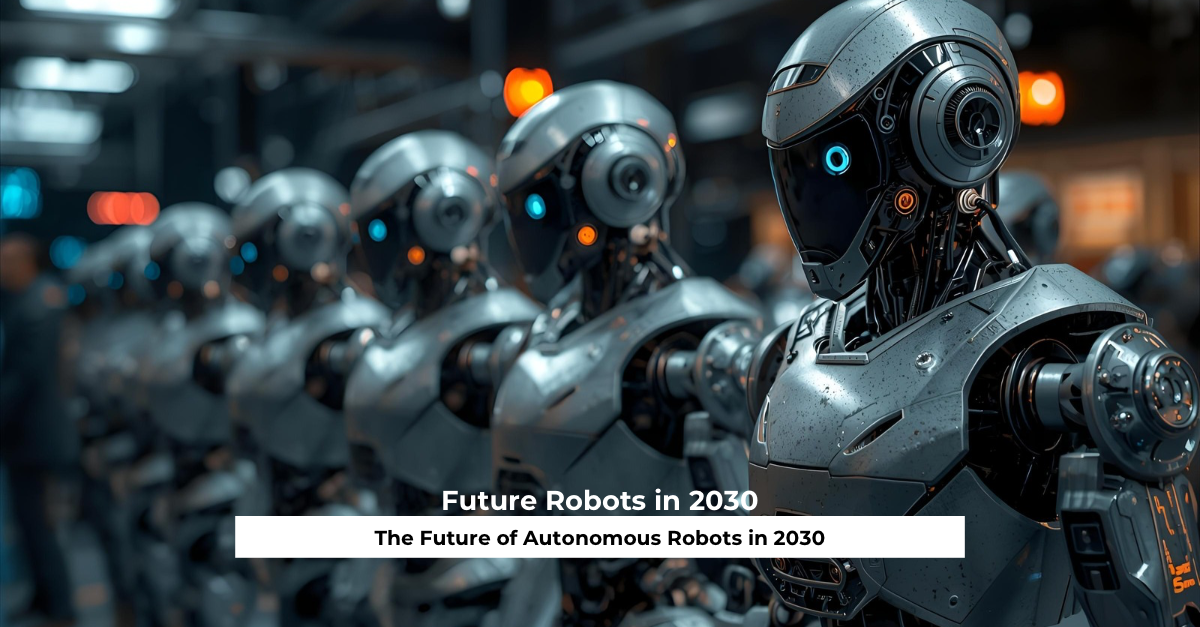
The Future of Autonomous Robots in 2030
Hey there, have you ever stopped to think about how robots might change our world in just a few short years? By 2030, autonomous robots aren’t going to be the stuff of sci-fi movies anymore—they’ll be our everyday companions, helpers, and even explorers. Picture this: a robot folding your laundry while you’re at work, or a fleet of them mapping out uncharted ocean floors. It’s exciting, right? But it’s also a bit mind-boggling. In this article, we’re diving deep into what the future holds for these smart machines. I’ll break it down step by step, sharing insights on tech trends, real-world applications, and even the tricky ethical stuff. Let’s explore together how autonomous robots could reshape everything from our jobs to our planet.
Understanding Autonomous Robots Today
First off, let’s get on the same page about what we’re talking about. Autonomous robots are like the grown-up version of those remote-controlled toys we played with as kids, but way smarter. They make decisions on their own, without needing a human to pull the strings every second.
Defining Autonomy in Robotics
So, what makes a robot truly autonomous? It’s all about independence. These bots use sensors, AI, and algorithms to perceive their environment, plan actions, and execute them without constant oversight. Think of it like a self-driving car navigating traffic—it’s reacting in real-time to what’s around it. By 2030, experts predict we’ll see levels of autonomy where robots can handle complex, unpredictable tasks, like a humanoid bot assisting in a busy kitchen or a drone swarm searching for disaster survivors. It’s not just about moving around; it’s about learning from mistakes and adapting, much like how we humans do. Isn’t that fascinating? The key here is the blend of hardware and software that lets them “think” on their feet.
A Brief History of Robotic Evolution
Robots have come a long way since the clunky arms in factories back in the 1960s. Remember those early industrial robots that could only repeat the same weld or assembly over and over? They were programmed for precision but lacked smarts. Fast forward to today, and we’ve got things like Boston Dynamics’ Atlas flipping around like an acrobat. The shift to autonomy really kicked off in the 2010s with AI advancements. By the 2020s, we’re seeing prototypes that learn from data, like Tesla’s Optimus or Amazon’s warehouse bots. Looking ahead to 2030, this evolution will accelerate, with robots becoming more humanoid and versatile. It’s like watching a caterpillar turn into a butterfly—slow at first, then suddenly transformative.
Key Technological Drivers Shaping the Future
The magic behind autonomous robots? It’s the tech stack powering them. Without these innovations, they’d still be stuck in labs. Let’s unpack the big ones that will dominate by 2030.
AI and Machine Learning Breakthroughs
AI is the brain of autonomous robots, and by 2030, it’ll be sharper than ever. Machine learning lets robots improve over time, turning data into decisions. Imagine a robot in a warehouse that starts slow but gets faster as it “learns” the best paths. Predictions show AI could boost global GDP by 1.2% annually through robotics alone. It’s like giving robots a superpower to predict and adapt.
The Role of Deep Learning and Neural Networks
Deep learning takes it further, mimicking our brains with neural networks. These systems process vast amounts of info, recognizing patterns in chaos. For instance, a robot could identify a ripe apple in a field using vision tech. By 2030, with advancements in generative AI, robots might even create their own strategies for tasks. Picture a neural network as a web of connections, firing off ideas like neurons in your head—it’s what makes autonomy feel almost alive.
Advanced Sensors and Connectivity
Sensors are the eyes and ears of robots. Lidar, cameras, and tactile sensors help them “see” and “feel” the world. Combined with robust connectivity, they become unstoppable.
5G and Edge Computing Integration
5G will be a game-changer by 2030, offering low-latency connections for real-time decisions. Edge computing processes data on the spot, reducing delays. Think of a swarm of delivery drones coordinating in a city—5G keeps them synced, avoiding collisions like birds in a flock. This tech will make robots more reliable in dynamic environments, from busy streets to remote farms.
Swarm Intelligence and Collaborative Systems
Swarm robotics is where things get really cool. Instead of one robot, imagine hundreds working together like ants in a colony. By 2030, this could revolutionize disaster response or agriculture. No single leader—just collective smarts. It’s efficient and resilient; if one fails, others pick up the slack. Like a symphony where every instrument plays in harmony without a conductor.
Transforming Industries with Autonomous Robots
By 2030, autonomous robots won’t be niche—they’ll infiltrate every sector, making things faster, safer, and smarter. Let’s see how.
Revolutionizing Manufacturing and Logistics
In factories, robots already handle repetitive tasks, but autonomy will take it to new heights. Picture fully automated lines where bots adjust to supply changes on the fly. The market for industrial robots is set to hit $110 billion by 2030. In logistics, autonomous mobile robots (AMRs) will zip through warehouses, cutting costs and errors. It’s like having an tireless workforce that never complains about overtime.
Enhancing Healthcare and Elderly Assistance
Healthcare is poised for a robotic boom. Autonomous bots could monitor patients, deliver meds, or even assist in rehab.
Surgical Robots and Patient Care Innovations
Surgical robots like da Vinci systems are evolving to be more autonomous, guiding procedures with precision. By 2030, they might perform routine ops with minimal human input, reducing risks. For elderly care, humanoid bots could help with daily tasks, combating loneliness like a friendly companion. It’s heartfelt—imagine a robot reminding grandma to take her pills while chatting about her day.
Boosting Agriculture and Food Security
Farming is tough, but robots can make it sustainable. Autonomous tractors and harvesters will optimize yields, using AI to spot pests or water needs. By 2030, this could feed a growing population more efficiently. Think of it as giving Mother Nature a high-tech helper, turning fields into smart ecosystems.
Advancing Transportation and Urban Mobility
Self-driving cars are just the start. By 2030, autonomous fleets could dominate ridesharing, reducing accidents by 90%. Drones for deliveries? Commonplace. It’s like reshaping cities into seamless networks, where traffic jams are relics of the past.
Exploring Space and Defense Applications
In space, robots like NASA’s Perseverance are autonomous explorers. By 2030, they’ll venture deeper, perhaps building habitats on Mars. In defense, swarms could scout terrains safely. It’s adventurous—robots boldly going where humans fear to tread.
Economic Implications and Market Growth
The rise of autonomous robots will shake up economies, creating winners and challenges.
Job Displacement vs. New Opportunities
Yes, jobs might shift—PwC predicts 30% automation by mid-2030s. But new roles in robot maintenance or AI design will emerge. It’s like the industrial revolution: painful transitions, but ultimate progress. We need to reskill, turning potential loss into gain.
Global Market Projections to 2030
The robotics market could double to $150 billion by 2030, with humanoids alone reaching $38 billion. Investments are pouring in, fueling innovation. It’s a gold rush, where early adopters reap big rewards.
Ethical Dilemmas and Societal Impacts
With great power comes great responsibility. Autonomous robots raise tough questions.
Privacy, Security, and Data Concerns
Robots collect tons of data—what if it’s hacked? By 2030, we need strong safeguards, like encrypted comms. It’s about trust; no one wants a bot spying on their home.
Human-Robot Relationships and Trust
How do we bond with machines? Emotional AI could help, but it’s tricky.
Building Emotional Intelligence in Robots
By 2030, robots might read emotions, responding empathetically. Like a therapy dog, but robotic—comforting without judgment.
Overcoming Challenges on the Path to 2030
No rose without thorns. Let’s tackle the hurdles.
Technical Barriers and Solutions
Battery life, navigation in chaos—these are fixable with R&D. Advances in quantum computing could supercharge solutions.
Regulatory and Legal Frameworks
Who’s liable if a robot errs? By 2030, global standards will evolve, balancing innovation with safety. It’s like traffic laws for the robot age.
Real-World Case Studies and Prototypes
Let’s ground this in reality with examples.
Leading Companies and Their Innovations
Tesla’s Optimus aims for household tasks by 2030. Figure AI’s humanoids are training for factories. These prototypes show what’s possible.
Successful Deployments Around the Globe
In Japan, care robots assist the elderly. China’s warehouses run on AMRs. These stories inspire, proving autonomy works now.
Environmental and Sustainability Benefits
Robots can go green too.
Green Robotics and Eco-Friendly Designs
By 2030, solar-powered bots could monitor ecosystems, reducing carbon footprints. It’s like enlisting tech in the fight against climate change.
The Human Element in a Robotic Future
Amid machines, humans remain central.
Education and Skill Development Needs
We must teach AI literacy in schools. By 2030, curricula will include robot ethics, preparing kids for symbiosis.
Predictions for Integration into Daily Life
Robots in homes? Absolutely.
Household Robots and Personal Assistants
From vacuuming to cooking, they’ll handle chores. Market for personal bots could hit $7.7 billion. It’s convenience redefined.
Potential Risks and Mitigation Strategies
What could go wrong?
Safety Protocols and Fail-Safes
Built-in redundancies will prevent mishaps. By 2030, standards like ISO for robots ensure peace of mind.
Global Perspectives and Cultural Adaptations
Not every country adopts the same way.
Adoption in Developing vs. Developed Nations
Wealthier nations lead, but affordable bots could bridge gaps. Cultural views vary—some embrace, others wary.
Beyond 2030: Long-Term Visions
Looking further, full integration awaits.
Towards Full AI Symbiosis
By 2040, robots might outnumber humans in tasks. It’s evolution, blending flesh and circuit.
Wrapping Up the Robotic Horizon
As we approach 2030, autonomous robots promise a brighter, more efficient world. They’ll tackle challenges we face today, from aging populations to environmental crises, all while sparking new innovations. But it’s up to us to guide this future wisely, ensuring benefits for all. Exciting times ahead, don’t you think?
Frequently Asked Questions
What advancements in AI will most impact autonomous robots by 2030?
Generative AI and deep learning will enable robots to learn tasks autonomously, making them adaptable to new environments without constant reprogramming.
How will autonomous robots affect employment in manufacturing?
While some repetitive jobs may decline, new opportunities in robot oversight, programming, and maintenance will arise, potentially creating a net positive in skilled labor.
Are there environmental benefits to widespread robot adoption?
Yes, robots can optimize resource use in agriculture and manufacturing, reduce waste, and even monitor ecosystems, contributing to sustainability goals.
What ethical issues should we prepare for with humanoid robots?
Key concerns include data privacy, job equity, and ensuring robots don’t exacerbate social divides; regulations will be crucial to address these.
How close are we to fully autonomous household robots?
Prototypes exist today, and by 2030, affordable models for basic chores like cleaning and cooking could become common, though full autonomy might take longer for complex interactions.