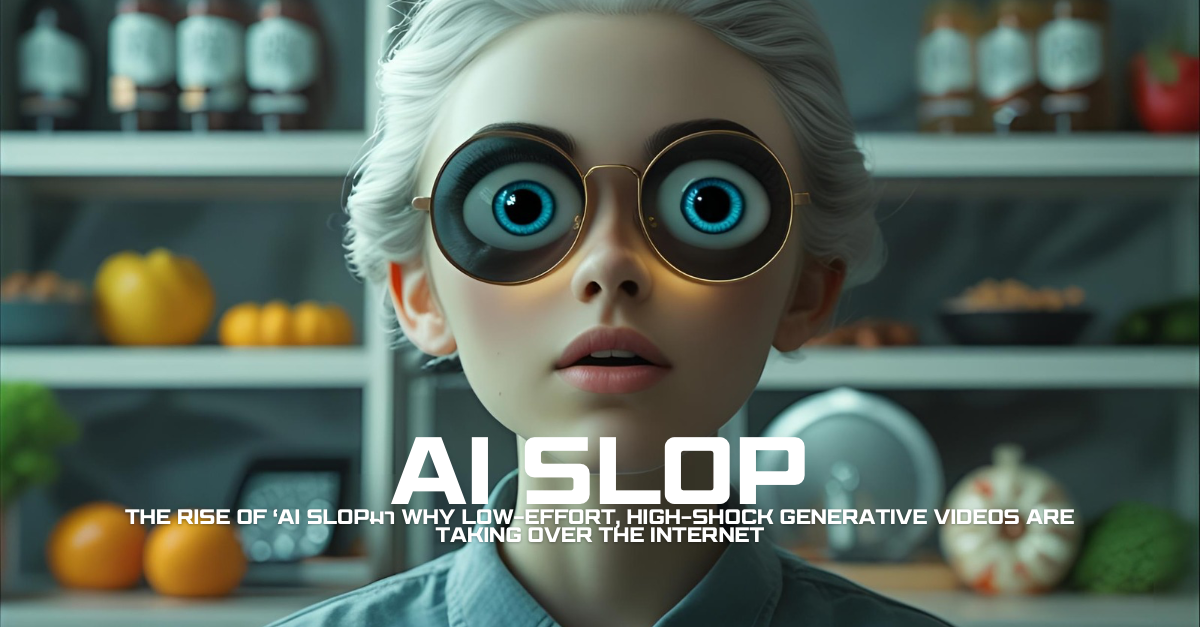
The Rise of AI Slop Why Low-Effort, High-Shock Generative Videos Are Taking Over the Internet
Hey there, have you scrolled through your feed lately and stumbled upon a video that made you do a double-take? You know, the kind where cats are starring in dramatic soap operas, or babies are floating in bizarre space adventures, all looking oddly real yet completely off-kilter? If that rings a bell, you’re knee-deep in what’s being called “AI slop.” It’s this wild wave of low-effort, generative videos that’s exploding across the internet, shocking viewers and raking in views like nobody’s business. But why is this happening now, and what does it mean for the way we consume content? Let’s dive in and unpack this phenomenon, shall we? Imagine the internet as a bustling marketplace—once filled with handcrafted goods, now overrun by cheap, flashy knockoffs that grab your attention before you even realize they’re not the real deal.
Picture this: you’re mindlessly swiping on TikTok, and suddenly there’s a clip of a talking animal reciting Shakespeare with subtitles that don’t quite match. It’s mesmerizing, right? That’s AI slop in action—content churned out by artificial intelligence with minimal human input, designed to hook you with its sheer weirdness. These videos aren’t polished masterpieces; they’re quick, dirty, and often surreal, like a dream you can’t quite shake off. And guess what? They’re everywhere, from YouTube shorts to Facebook reels, turning the web into a carnival of the absurd. But hold on, is this the future of entertainment, or just digital junk food that’s rotting our online experience? We’ll explore that as we go.
Now, you might be wondering how something so slapdash can dominate our screens. Well, it’s all about the shock value mixed with effortless creation. Creators—or should I say, prompt engineers?—can whip up these videos in minutes using AI tools, flooding platforms faster than you can say “viral.” It’s like comparing a gourmet meal to fast food; one takes time and skill, the other satisfies that instant craving for novelty. As we peel back the layers, you’ll see why this trend isn’t just a blip—it’s reshaping the internet’s landscape, for better or worse.
Understanding AI Slop: The Basics
Let’s start at the ground level, shall we? AI slop isn’t some fancy tech jargon; it’s the everyday term for the flood of mediocre, AI-generated media that’s clogging up our feeds. Think of it as the digital equivalent of those impulse buys at the checkout counter—cheap, eye-catching, but ultimately forgettable. These videos pop up uninvited, promising a quick laugh or gasp, and before you know it, you’ve watched five in a row.
What Exactly is AI Slop?
At its core, AI slop refers to low-quality content created using generative AI, where the emphasis is on quantity over quality. Videos in this category often feature bizarre scenarios, like animals in human-like dramas or impossible physics-defying stunts, all rendered with that telltale AI gloss. It’s not about artistry; it’s about shock and speed. For instance, imagine a video where a cartoonish celebrity morphs into a monster mid-sentence—that’s slop at its finest, or should I say, sloppiest? The term captures the inherent lack of effort, logic, or purpose, much like slop you’d slosh into a trough. But here’s the kicker: despite the low effort, these clips rack up millions of views, turning creators into overnight sensations without breaking a sweat.
Delving deeper, AI slop thrives on imperfections that somehow enhance its appeal. Extra fingers on hands, weird text in backgrounds, or unnatural movements—these glitches aren’t bugs; they’re features that add to the uncanny valley effect, drawing you in like a moth to a flame. Why do we watch? Because in a world of polished ads and curated posts, this raw, unfiltered weirdness feels refreshingly chaotic. It’s like stumbling upon a glitch in the matrix; you can’t help but stare.
The Evolution from Text to Video Slop
Remember when AI slop was mostly text-based, like those rambling articles filled with hallucinations and nonsense? Well, that was just the appetizer. Now, with advancements in video generation, we’re feasting on full-course meals of visual absurdity. It started with static images—think AI art with melting faces or impossible architectures—but quickly escalated to moving pictures. Tools have evolved so rapidly that what once took a team of animators now happens with a simple prompt. It’s like upgrading from a flip phone to a smartphone; suddenly, everything’s dynamic, interactive, and oh-so-addictive.
This shift didn’t happen overnight. Early generative models focused on text, spitting out essays or stories that were coherent enough to fool search engines. But as AI got smarter, videos entered the scene, blending visuals, audio, and even subtitles into a potent mix. Today, slop videos are the norm, evolving from simple loops to narrative-driven shorts that mimic real-life footage. And with each iteration, they get more convincing, blurring the lines between generated and genuine. Isn’t it fascinating how technology turns yesterday’s novelty into today’s norm?
The Technology Behind the Slop
Alright, let’s geek out a bit on the tech powering this madness. You don’t need a PhD to understand it—AI slop is built on tools that democratize creation, making anyone with a keyboard a potential video mogul. It’s like giving everyone a magic wand; some craft wonders, others just wave it around wildly.
Key AI Tools Fueling the Trend
The stars of the show are text-to-video models, which turn your wildest ideas into moving images faster than you can brew coffee. These aren’t your grandma’s editing software; they’re sophisticated algorithms trained on vast datasets, spitting out videos that range from quirky to downright disturbing.
Text-to-Video Models Like Sora and Veo
Take Sora, for example—it’s like a digital director on steroids, generating hyperrealistic videos from mere text descriptions. Want a cat in a tuxedo hosting a game show? Just type it in, and voila! The results are often shocking in their detail, yet laced with that slop signature: subtle errors that make you question reality. Veo follows suit, excelling in surreal scenes that captivate audiences. These models lower the barrier so much that creators can produce content en masse, flooding platforms with high-shock gems. It’s empowering, sure, but also a recipe for overload, like opening the floodgates on a river of creativity—or chaos.
Audio and Voice Generation Add-Ons
Don’t forget the sound side of things. Tools like ElevenLabs add voices that sound eerily human, narrating these videos with dramatic flair. Imagine a robotic voiceover that’s almost too perfect, syncing with visuals to create immersive slop. These add-ons stitch everything together, turning a static prompt into a full-fledged video. It’s seamless, yet the low effort shines through in mismatched intonations or awkward pauses, adding to the charm—or the cringe.
How Low-Effort Creation Works
Here’s where it gets effortless: you input a prompt, hit generate, and tweak minimally if at all. No storyboards, no scripts—just pure AI magic. Creators chain tools together: generate visuals, add audio, slap on subtitles, and upload. It’s like assembling a puzzle where the pieces fit themselves. The result? Videos that shock with their absurdity, like babies trapped in space or animals in epic battles. This low barrier means anyone can join the fray, but it also leads to a sea of sameness, where originality drowns in the slop.
Why AI Slop is Going Viral
So, why does this stuff spread like wildfire? It’s not rocket science—AI slop taps into our primal urge for surprise, wrapped in algorithms that reward the outrageous. Think of it as digital junk food: addictive, empty calories that keep you coming back.
The Shock Factor: Bizarre and Surreal Content
Nothing grabs attention like the unexpected. These videos thrive on high-shock elements—think melting faces, impossible physics, or animals behaving like humans. It’s the visual equivalent of a plot twist in a thriller; you didn’t see it coming, and now you’re hooked. For example, a clip of a chubby cat in a dramatic standoff goes viral because it’s so outlandish, like a fever dream come to life. The surreal quality mesmerizes, making viewers share it with friends, amplifying the reach exponentially.
Algorithmic Love for Quick Hits
Platforms’ algorithms are slop’s best friend, prioritizing content that keeps eyes glued. Short, shocking videos score high on engagement metrics—likes, shares, watches—pushing them to the top. It’s a feedback loop: more views mean more promotion, creating viral storms.
Platforms Prioritizing Engagement Over Quality
YouTube, TikTok, they all chase the almighty engagement. Quality? Secondary. If a slop video racks up views, it’s golden. This setup favors low-effort shocks over thoughtful content, like favoring fireworks over a steady campfire. The result? Feeds dominated by slop, where depth takes a backseat to dazzle.
Examples of AI Slop Taking Over Platforms
Let’s get concrete with some real-world invasions. AI slop isn’t abstract; it’s the stuff clogging your favorite apps right now.
YouTube’s Flood of Surreal Shorts
On YouTube, shorts are ground zero for slop. Channels pump out videos like cat soap operas or space-trapped babies, amassing millions of views. One short from last week hit 160 million—surreal humor at its peak, generated in minutes. It’s like the platform’s become a slop factory, with algorithms feeding the frenzy.
TikTok and the Rise of Weird Cat Videos
TikTok’s the playground for bizarre cat clips, where AI turns felines into stars of absurd narratives. These low-effort gems go viral, blending cuteness with creepiness. Users scroll endlessly, caught in the loop of shock and awe.
Facebook’s Battle with Slop Overload
Even Facebook isn’t immune; reels overflow with AI-generated nonsense, from morphed celebrities to glitchy adventures. It’s turning timelines into slop soups, with users complaining yet consuming.
The Creators Behind the Chaos
Who’s whipping up this digital storm? Not Hollywood pros, but everyday folks armed with AI, turning hobbies into hustles.
From Hobbyists to Money-Makers
It starts innocently—a prompt here, a video there—but soon, it’s a side gig. Creators use off-the-shelf tools to churn content, monetizing views like digital miners striking gold.
Monetization Strategies in the Slop Economy
Ads, sponsorships, even crypto ties—slop pays. Viral videos mean revenue shares, creating an economy where shock equals cash. It’s like busking on the street, but with AI as your instrument.
Ethical Dilemmas for Content Creators
But is it right? Creators grapple with flooding the web with junk, questioning if views justify the dilution of quality. It’s a moral maze in the pursuit of virality.
The Impact on the Internet Ecosystem
Slop isn’t just fun; it’s reshaping the web, often for the worse.
Drowning Out Real Content
Genuine creators struggle as slop buries their work. It’s like shouting in a crowded room—hard to be heard amid the noise.
User Reactions: Love, Hate, and Indifference
Reactions vary: some love the weirdness, others hate the takeover, many scroll indifferently. It’s polarizing, sparking debates on content’s future.
Community Backlash and Calls for Regulation
Backlash grows, with calls for labels or bans. Communities rally against the slop tide, demanding cleaner feeds.
Platforms’ Response to the Slop Invasion
Platforms aren’t idle; they’re fighting back, but it’s an uphill battle.
Crackdowns and Policy Changes
YouTube’s cracking down on repetitive AI content, updating policies to curb the flood. Others follow, aiming for balance.
The Challenge of Detection
Spotting slop is tricky—AI’s getting better at mimicking real. Detection tools lag, letting slop slip through.
The Future of AI Slop: Renaissance or Ruin?
Where’s this headed? Could be a creative boom or internet apocalypse.
Potential for Creative Innovation
Optimists see democratization: anyone can create, sparking new ideas like agentic loops running 24/7.
Risks of a ‘Dead Internet’
Pessimists warn of a dead web, filled with bots and slop, eroding trust and authenticity.
How to Spot AI Slop in the Wild
Arm yourself with knowledge to navigate the mess.
Visual Red Flags
Look for extra limbs, weird text, unnatural lighting—hallmarks of generation glitches.
Behavioral Clues in Videos
Odd movements, mismatched audio—these scream AI, helping you filter the fake.
Broader Implications for Society
Beyond the screen, slop affects us all.
Blurring Reality and Fiction
It muddles truth, tying into deepfakes and misinformation, like propaganda in elections.
Deepfakes and Misinformation Ties
Slop’s cousins, deepfakes, amplify risks, making vigilance key in info wars.
Cultural Shifts in Consumption
We’re shifting to bite-sized shocks, reshaping attention spans like fast food changes diets.
Alternatives to Embracing the Slop
Don’t like it? Fight back.
Supporting Human-Created Content
Follow real creators, boost authentic voices to counter the tide.
Tools for Filtering Out AI Noise
Extensions and apps block slop, curating cleaner experiences.
Case Studies: Viral AI Slop Hits
Real examples highlight the trend’s power.
The Cat Soap Opera Phenomenon
These dramas go mega-viral, blending cute with creepy for endless views.
Babies Trapped in Space Sagas
Absurd narratives captivate, showing slop’s narrative pull despite low effort.
Economic Drivers of the Trend
Money talks, and slop listens.
Ad Revenue and Viral Economics
Views translate to dollars, incentivizing mass production.
Global Creator Economy Influences
Worldwide, creators tap in, from India actors to US prompt wizards, globalizing slop.
Psychological Appeal: Why We Can’t Look Away
It’s brain candy—why resist?
The Mesmerizing Pull of the Absurd
Absurdity triggers curiosity, like rubbernecking at accidents.
Dopamine Hits from Shock Value
Each shock releases dopamine, keeping us scrolling in endless loops.
Legal and Regulatory Horizons
Laws are catching up.
Emerging Laws on AI Content
Countries draft rules for labeling, curbing unchecked slop.
International Perspectives
From EU regs to US debates, global views shape the future.
To wrap it all up, the rise of AI slop marks a pivotal shift in our digital world. These low-effort, high-shock generative videos aren’t just fleeting trends; they’re symptomatic of how AI is democratizing creation while challenging the essence of quality content. On one hand, they’ve unlocked unprecedented accessibility, allowing anyone to produce mesmerizing clips that captivate millions. On the other, they’re flooding the internet with surreal junk, drowning out authentic voices and blurring the lines between real and fabricated. As platforms crack down and users grow wary, the balance between innovation and overload will define the web’s next chapter. Whether this leads to a creative renaissance or a slop-saturated ruin depends on how we adapt—creators, consumers, and tech giants alike. It’s a wild ride, but one thing’s clear: ignoring it won’t make it go away. So, next time you spot that bizarre video, ask yourself: is this the future we want?
Frequently Asked Questions
1. How can I avoid AI slop in my social media feeds?
Customize your algorithm by engaging more with human-created content and using browser extensions designed to flag or block AI-generated posts—it’s like putting up a filter on your digital window.
2. Are there any benefits to AI slop for everyday users?
Surprisingly, yes—it can spark creativity or provide quick entertainment, like a quirky brainstorm tool, but the key is consuming it mindfully without letting it overshadow deeper content.
3. Why do platforms allow AI slop to thrive despite complaints?
Engagement metrics rule the day; these videos boost watch times and ads, much like how junk food sells because it’s addictive, even if it’s not nutritious.
4. Can AI slop ever evolve into high-quality content?
Absolutely, as tools improve and creators add human touches, it could blend into legitimate art, similar to how early photography transitioned from novelty to masterpiece.
5. What role do viewers play in the spread of AI slop?
We’re the fuel—every view and share amplifies it, so being selective acts like voting with your attention, steering the internet toward better quality over time.